Śiva
A divine figure and a name for ultimate reality in distinct Śaiva traditions.
Introductory source-based synthesis. External references were consulted for the stated scope; specialist peer review is not claimed.
Identify the setting
Śiva is encountered in narratives, images, temples, worship and philosophical works. A statement about Śiva can therefore belong to different kinds of discourse. An architectural label, a devotional address and a philosophical account should be read according to their own purposes.
One philosophical example
In the monistic Śaiva philosophies of Kashmir, Śiva is explained as universal consciousness and śakti as inseparable agency. This is one specifically situated account. It should not stand in for all Śaiva traditions or erase distinctions between monistic and other positions.
Read an image and an argument differently
For a first comparison, place a documented temple record beside a philosophical source. Ask what each can establish. A temple’s dedication does not prove that all its patrons accepted one metaphysical system; a philosophical work does not describe every local practice. The archive connects these materials as avenues of inquiry while preserving their different evidential roles. More detailed entries on particular Śaiva schools and textual lineages require further research.
Questions to carry
- 01Is the source narrative, philosophical, ritual or architectural?
- 02Which Śaiva tradition does it describe?
Sources & further reading
- 01David Peter Lawrence · Kashmiri Śaiva Philosophy · Internet Encyclopedia of Philosophyscholarly secondary
Reference consulted for the introductory account; follow the source for its full context.
Consulted 2026-11-07
Continue the inquiry
Śaiva traditions
A plural field of Śiva-centred worship, texts and philosophical inquiry.
Śakti
Power and divine agency in Goddess-centred and Śaiva settings.
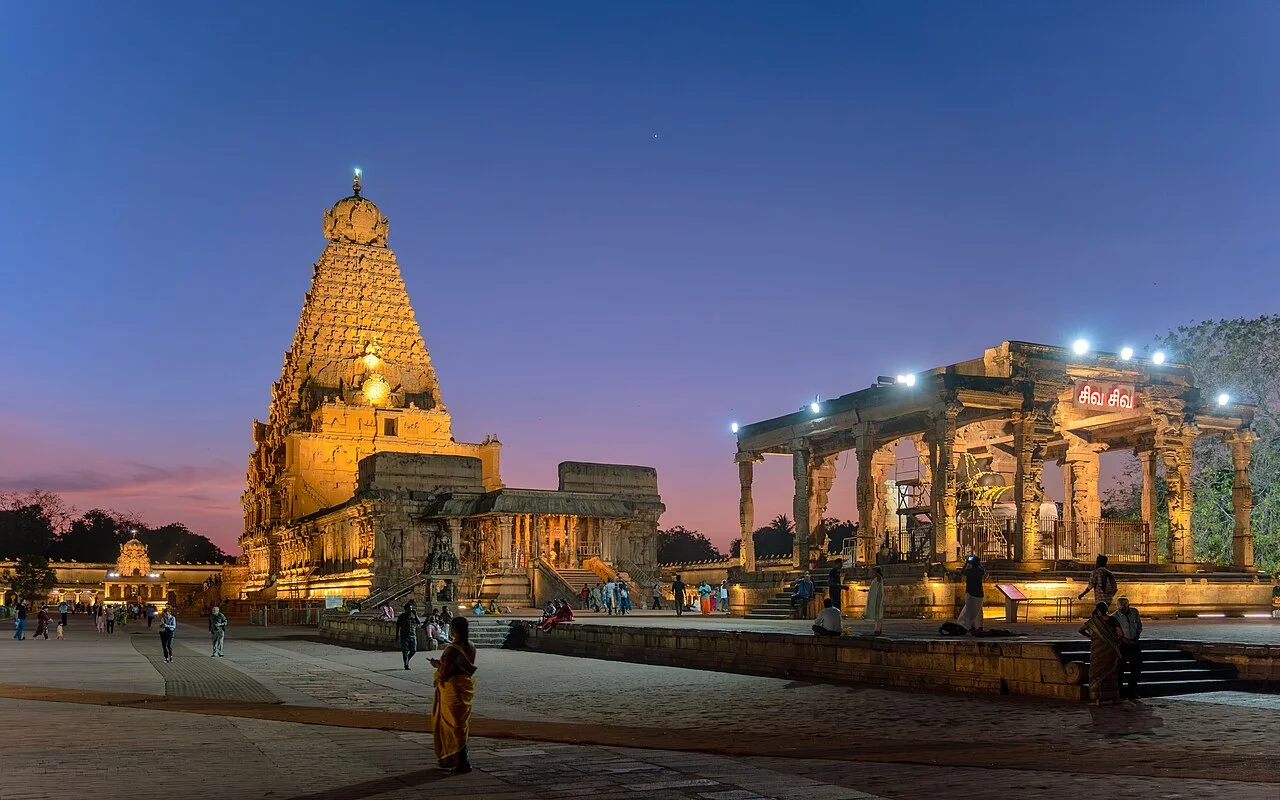
Bṛhadīśvara Temple
The Thanjavur temple is a component of the Great Living Chola Temples World Heritage property.
Elephanta Caves
An island rock-cut sanctuary near Mumbai with a major Śiva-centred sculptural programme.