
Reading a temple as a living archive
A framework for observing a place while keeping evidence, memory and interpretation distinct.
Original editorial study-method essay. Linked references identify examples or resources, not a claim of fieldwork or specialist peer review.
Begin with what can be observed
A temple record can begin with an ordinary discipline: separate what you can observe from what a source tells you and what you infer. A doorway, inscription or sculptural sequence may be visible in a photograph. Its date, patron or ritual meaning may require a different kind of evidence. A compelling story does not remove that requirement.
This essay proposes a documentation method. It is not a report of a field visit, an interview or an architectural survey conducted by Shakti Garbha.
Choose a scale of attention
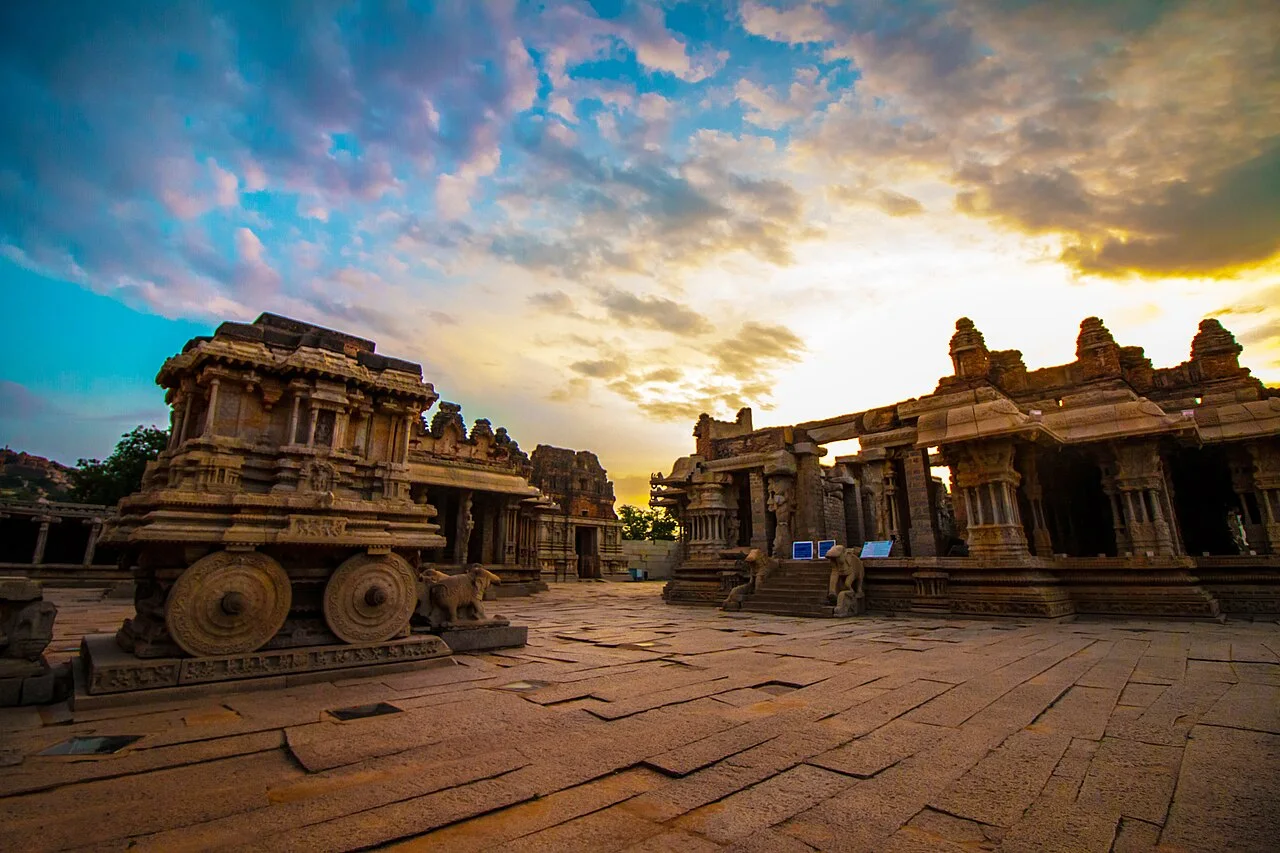
UNESCO’s Hampi record describes a large landscape; its Great Living Chola Temples property contains distinct monuments. These official groupings are useful starting points, but a note about one shrine is not automatically a note about every building in the property. Name the monument, the location within it and the source’s scope.
Move between scales deliberately: a sculptural detail, a room, a complex, a settlement and a wider route. Ask what disappears when a site is reduced to the photograph that most often represents it.
A place has more than one account
An architectural description, a community memory and a visitor’s impression offer different forms of understanding. Preserve the attribution of each. A narrative can be meaningful within a tradition without being independently established as a dated event. A historical account can be valuable while leaving the lived significance of a place only partly described.
If people contribute their account, record how they wish to be named and whether the material may be published. The archive should not manufacture a collective voice from one conversation.
Documentation includes restraint
Follow local rules and ask before recording people or restricted spaces. Keep image credits and permissions beside the file, where they can survive later editing. If a claim cannot yet be checked, label the uncertainty rather than filling the gap with a plausible detail.
A useful record remains open to correction. It can say which questions need local knowledge, which require an inscription or edition and which belong to further observation. That visible boundary is part of the record’s value, not a failure to tell a complete story.
Instagram excerpts and contributor media will be linked here after permission and review.
Sources & further reading
- 01UNESCO World Heritage Centre · Hampiinstitutional reference
Reference consulted for the introductory account; follow the source for its full context.
Consulted 2026-11-07 - 02UNESCO World Heritage Centre · Great Living Chola Templesinstitutional reference
Reference consulted for the introductory account; follow the source for its full context.
Consulted 2026-11-07
Continue the inquiry
Hampi
A temple and urban landscape associated with the Vijayanagara capital on the Tungabhadra.
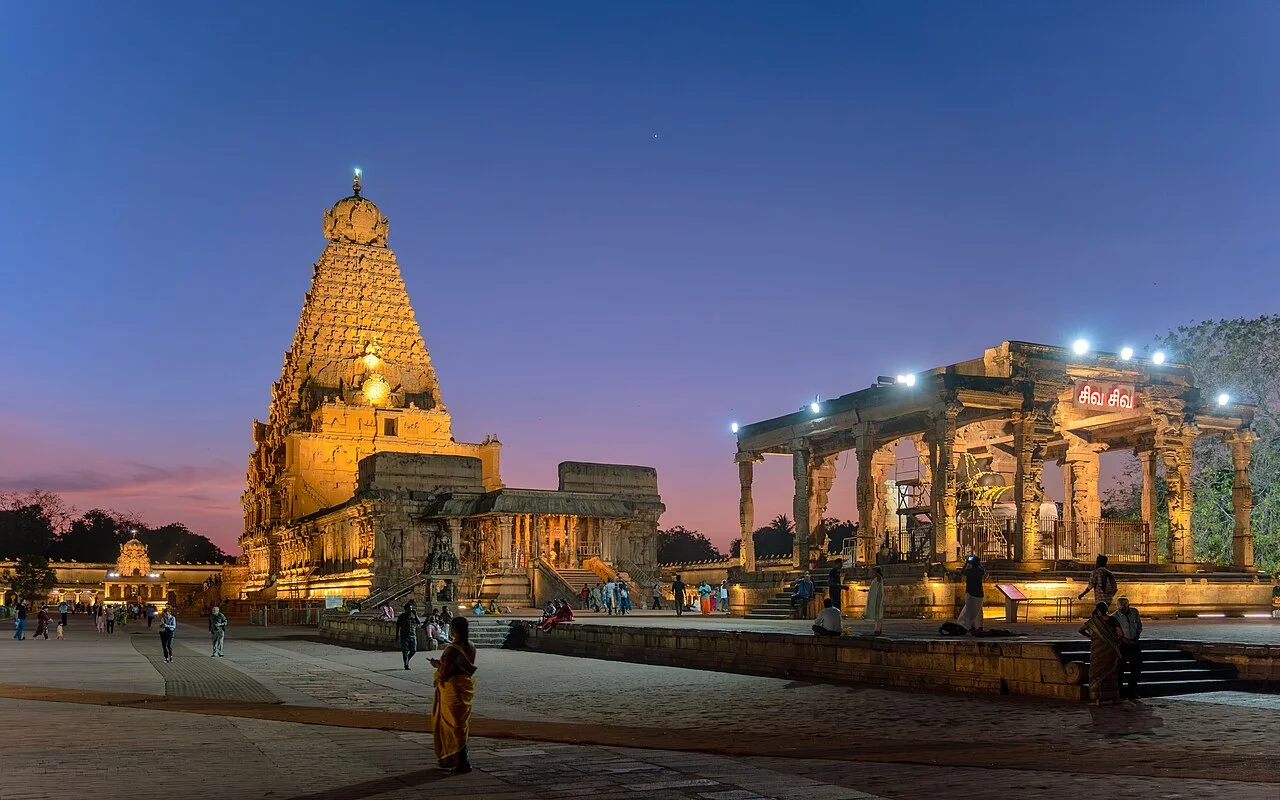
Bṛhadīśvara Temple
The Thanjavur temple is a component of the Great Living Chola Temples World Heritage property.
Before we draw a map
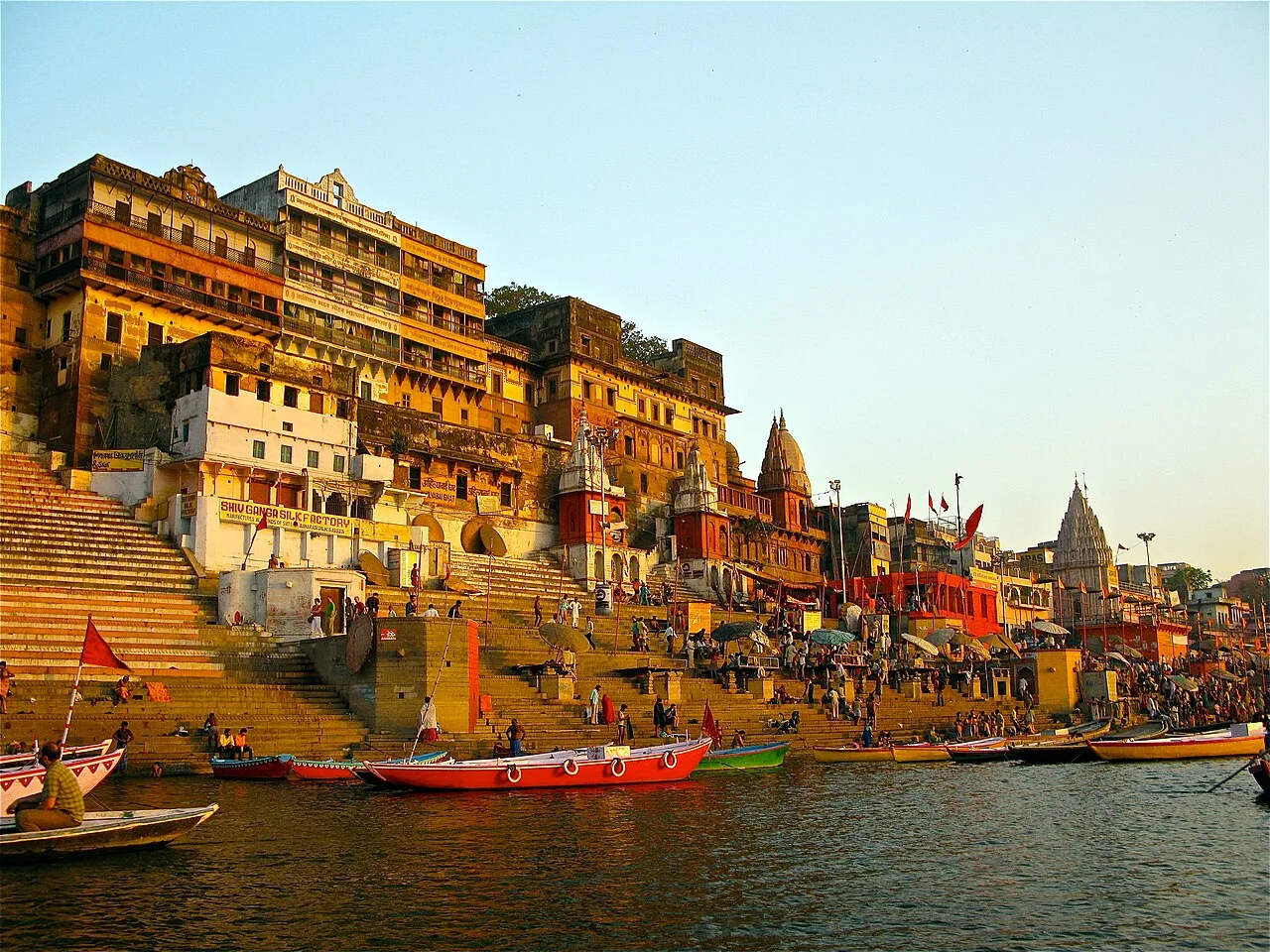
A sacred atlas begins with choices about evidence, scale and what a marker can represent.